

Do you have constant fatigue and feel tired?
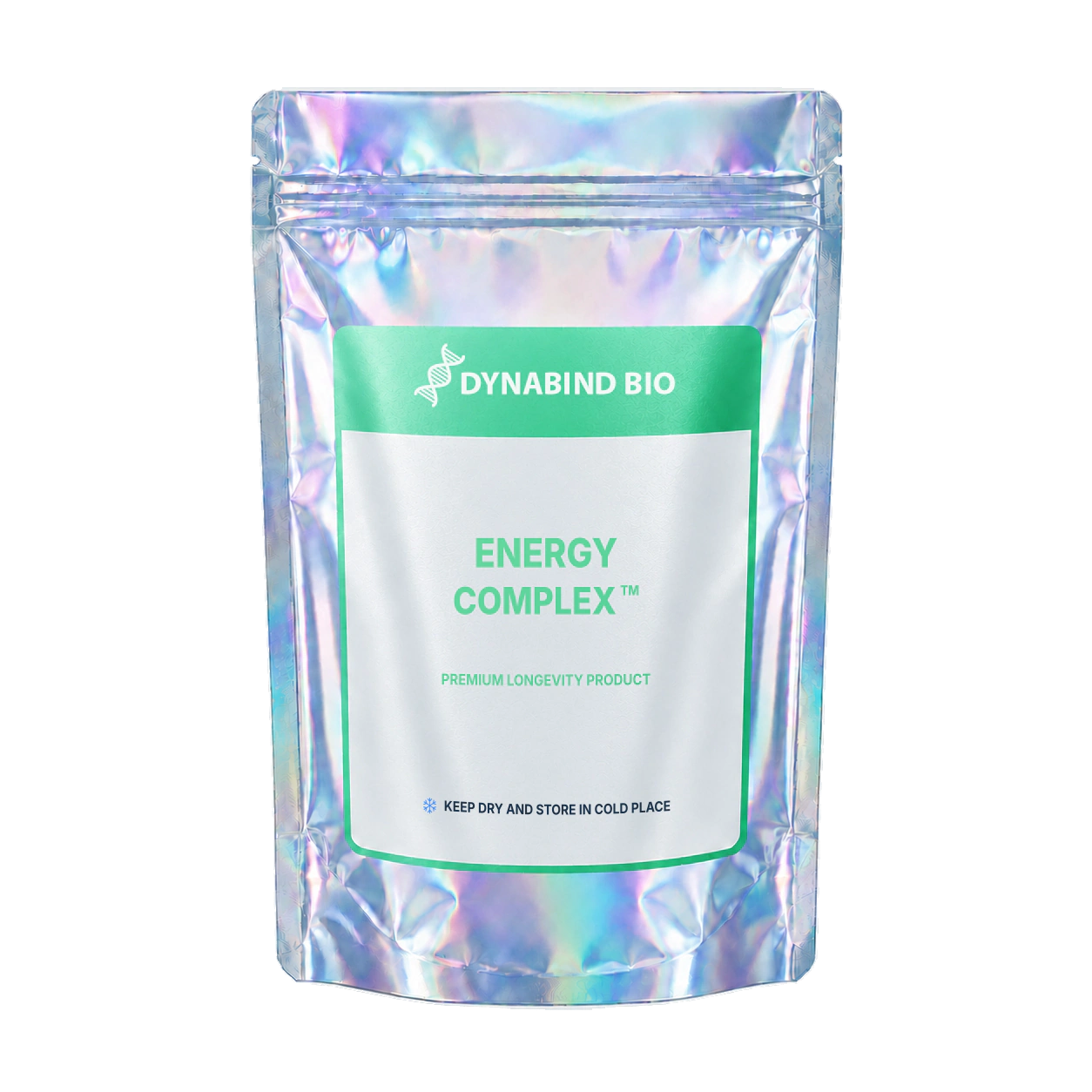
Energy Complex™ contains five breakthrough research compounds selected for physical and mental endurance, cellular energy production, mitochondrial ATP pathways and cellular renewal.
Three main benefits
What Energy Complex™ is designed to support
Cellular Energy And ATP Pathways
Mitochondrial Quality And Renewal
Vegan & Vegetarian Friendly Only Active Ingredients No Sugar or Sweeteners
Formula featured in this guide
Energy Complex™
Energy Complex™ combines NAD+, NADH, Urolithin A, CO-Q10 and CDP-Choline for research on physical endurance, mental performance and mitochondrial energy.
Review the full ingredient identity, formula specifications, storage guidance and purchase options on the canonical DynaBind product page.
BUY ENERGY COMPLEX™Every active compound in Energy Complex™ is connected to published research. Relevant human clinical trials are highlighted where available, with direct links to the papers.
✓Research Papers Available✓Clinical Trials Available
Why this formula was created
A more focused answer to low energy
Constant fatigue can make work, exercise and even ordinary daily tasks feel heavier than they should. Energy Complex™ was created for people who want a focused formula for physical energy, mental drive and recovery instead of another crowded multivitamin label.
After reviewing published research papers and human clinical trials, the DynaBind Bio Research Team selected NAD+, NADH, Urolithin A, CO-Q10 and CDP-Choline. These five compounds connect cellular energy transfer and mitochondrial renewal with muscle endurance, neuronal membranes and acetylcholine pathways.
This guide covers mitochondrial health supplements, cellular energy supplements, ATP support supplements and supplements for low energy and fatigue. Every selected compound has a clear role, a disclosed identity and direct links to the available research.
Focused formulation
Why more ingredients do not automatically create a better energy formula
A long list of poorly absorbed vitamins and inexpensive ingredients does not automatically provide better energy support. A focused formula makes the purpose, identity and research behind every active easier to understand.
Clinical relevance starts with the actual form
A paper on one chemical form or combination cannot automatically validate another. Energy Complex™ identifies each active so customers can compare it with the cited research rather than relying on a generic ingredient name.
Useful amounts matter more than a long label
Twenty minor ingredients do not necessarily provide more value than five carefully selected compounds. The better comparison is whether every active has a clear purpose, a disclosed formula and research that matches its identity.
Energy involves more than one cellular step
NAD+ and NADH participate in cellular redox reactions, CO-Q10 contributes to mitochondrial electron transport, Urolithin A is researched for mitochondrial quality control, and CDP-Choline supplies building blocks for neuronal membranes and acetylcholine.
Bioavailability must be evaluated compound by compound
No responsible formula can promise maximum absorption for every person. We instead prioritize defined compounds, practical powder use and the available absorption or pharmacokinetic research for each ingredient.
Available research papers and clinical trials
Research behind the selected compounds
Each compound is listed once, followed by its research paper titles and direct links. Study types remain visible so human, preclinical and mechanistic findings are not blended together.
NAD+
- Central cellular redox coenzymeMechanistic review
NAD(H) redox couples participate in cellular metabolism and energy transfer. This reference explains the pathway, rather than an oral-supplement outcome.
NADH
- Reduced electron-carrying form of NADHuman combination evidence
NADH has been studied in selected fatigue settings, including combination research with CoQ10; results are population-specific.
Urolithin A
- Mitophagy and mitochondrial quality controlRandomized human trial
In 66 adults aged 65 to 90, selected muscle-endurance measures improved, but the primary six-minute-walk and maximal-ATP endpoints were not significant. The trial reported industry ties and did not test Energy Complex™.
CO-Q10
- Mitochondrial electron transportMeta-analysis of randomized trials
A 13-trial meta-analysis reported a pooled fatigue effect across heterogeneous populations, while the mixed-formulation subgroup was not statistically significant. It does not establish an effect for this formula or every cause of fatigue.
CDP-Choline
- Neuronal membranes, acetylcholine and memoryRandomized human trial
A 12-week study of 500 mg/day citicoline in 100 older adults reported improvements in episodic and composite memory, both secondary outcomes. This is ingredient-level cognitive evidence.
Responsible use
Know when a symptom needs assessment
Sudden or worsening fatigue, chest pain, shortness of breath, fainting, severe weakness, bleeding, fever or unexplained weight loss requires prompt medical assessment.
Use the linked research papers as product context and seek qualified medical assessment when symptoms are persistent, sudden or worsening.
Frequently asked questions
Energy Complex™ FAQ
What is Energy Complex™ designed to support?
Energy Complex™ brings together five compounds researched across mitochondrial ATP pathways, physical endurance, mental energy and cellular renewal.
Which Energy Complex™ ingredients have human clinical research?
The linked research includes human studies of CDP-Choline, Urolithin A and CO-Q10, and a combination trial of NADH with CO-Q10. NAD+ is covered by mechanistic redox research. Each reference identifies its study context.
How does Energy Complex™ differ from a broad vitamin blend?
It uses five specialized compounds with defined research roles instead of relying on a long list of familiar vitamins. The complete formula, options and ingredient identities are available on the product page.
Has the complete Energy Complex™ formula been clinically tested?
The available studies examine individual ingredients or ingredient combinations. They provide research support for the selected compounds rather than a separate clinical trial of the complete formula.
DynaBind Bio publishes this page and sells the linked product. The cited papers evaluate individual compounds or related formulations; the complete formula has not been evaluated in a separate clinical trial.
Products are sold as adult dietary supplement ingredients where permitted. They are not intended to diagnose, treat, cure, or prevent disease. Customers are responsible for checking local import, use, and resale rules before purchase. Consult a qualified healthcare professional before using any supplement. Statements on this website have not been evaluated by the US Food and Drug Administration or any other regulatory authority. DynaBind Bio products are not medicines and are not a substitute for professional medical advice. Consult a qualified professional before using any supplement ingredient, especially if pregnant, nursing, taking medication, or managing a medical condition.